Directional Performance Review Framework
A practical reference for organizing performance criteria, tolerances, and decision thresholds before field execution begins.
See related resourcesOur company profile is built for customers who judge suppliers by how well they connect design logic, field evidence, and documentation quality across the full lifecycle of a drilling system.
“Technical confidence is created when field results, laboratory thinking, and procurement documentation all point to the same conclusion. Halliburton exists to keep those signals aligned.”
Halliburton was founded in 1987 to support drilling programs that could not be managed through catalog selling alone. From the beginning, the company focused on the reality that buyers in drilling-intensive industries are balancing multiple forms of risk at once. They need equipment that can operate inside demanding physical conditions, but they also need technical support that turns design logic into documentation their organizations can actually approve. That combination of engineering rigor and communication discipline remains the company’s core identity today.
Across 82 countries and 470 annual projects, Halliburton has learned that the strongest supplier relationships are built when engineering teams do more than answer questions after problems appear. Our role is to help clients define the operating frame, document assumptions early, and create a service model that survives handoffs between procurement, field operations, and reliability review. We do not treat those functions as separate audiences. They all receive their own version of the same technical truth, which is why our internal review culture is built around controlled releases, application notes, and post-run learning loops.
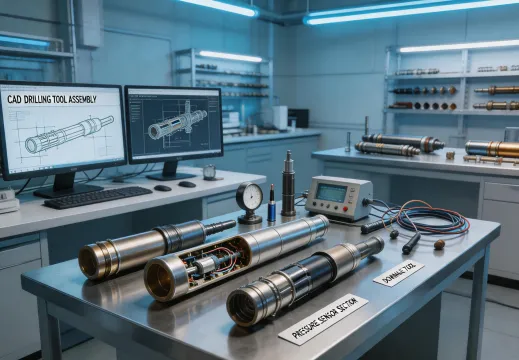
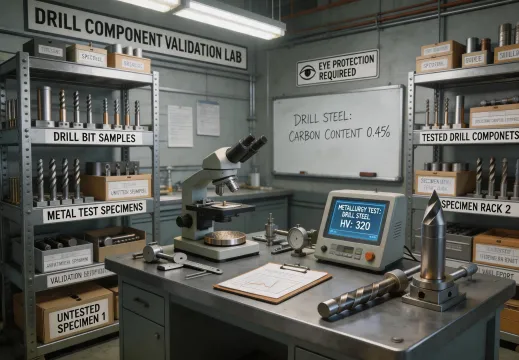
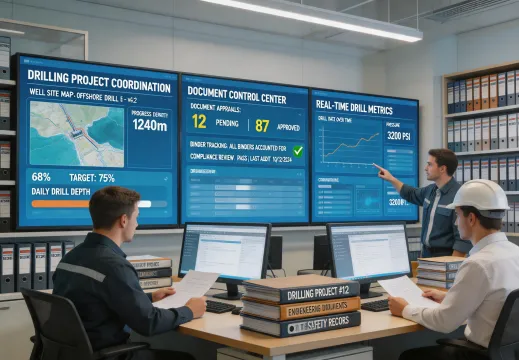
A practical reference for organizing performance criteria, tolerances, and decision thresholds before field execution begins.
See related resourcesAn engineering note that shows how operating exposure, maintenance timing, and inspection logic should be linked in procurement planning.
See related resourcesA process paper that explains how Halliburton keeps engineering truth consistent across office, site, and vendor review cycles.
See related resourcesFor Halliburton, publishing technical knowledge is not a branding exercise. It is a way to make engineering decisions portable across teams that think in different languages. Drilling managers tend to prioritize operational responsiveness, procurement leaders focus on specification completeness and supplier accountability, and reliability engineers look for evidence they can use when something changes in the field. Our publications and application notes are written to bridge those perspectives. That is why they emphasize assumptions, limits, and reasoning rather than only final claims.
The same philosophy shapes our internal culture. We invest in lab facilities, controlled documentation practices, and publication-style thinking because the field moves fast and memory is unreliable. Written technical resources create continuity, especially when a project extends across continents or shifts between phases. By codifying what we learn and making it accessible in usable formats, Halliburton gives customers a supplier relationship that continues to create value after the first order is delivered.
Our team can walk through the assumptions behind the equipment package, the service model, and the documentation path your organization needs to approve it confidently.
Start a Technical ConversationEvery package ships with a factory acceptance test (FAT) record referenced against ISO 8178 for engine emissions where relevant, plus material certificates traceable to EN 10204 3.1 for pressure-bearing components. Not within our direct scope: civil foundation design, utility tie-in installation, and third-party DCS integration — these are coordinated via the client's EPC partner.
Typical project envelope: throughput 500 – 2,000 t/h, engine power 250 – 1,500 kW, flow rates 50 – 5,000 m³/h, head pressure 20 – 200 m, drilling depth 30 – 500 m. Out-of-envelope duty is reviewed on a case-by-case basis before any commercial commitment.